Microneedling and Chemical Peel: Which Treatment Is Right for You?
Microneedling and chemical peels both improve skin texture and tone, but they work in different ways. One stimulates new collagen, the other removes damaged layers.
Microneedling vs Chemical Peel: What’s the Difference?
Microneedling and chemical peels are both widely used treatments for improving skin texture, softening scars, and supporting a clearer, more even complexion. Microneedling uses tiny needles to create controlled micro-injuries that stimulate collagen and elastin production. Chemical peels use acids to exfoliate and remove the outer layers of damaged skin, revealing fresher skin underneath.
Both require multiple sessions and some downtime. The right choice depends on your skin concern, your skin type, and how your skin responds to different approaches.
How Microneedling Works
Microneedling (also called collagen induction therapy) creates tiny, controlled punctures in the skin. This triggers the body’s natural wound healing response, which includes increased collagen and elastin production. Over time, this can improve the appearance of atrophic acne scars, fine lines, large pores, uneven texture, and some types of discoloration.
Systematic reviews of randomized trials support microneedling for atrophic acne scars. Evidence is moderate for fine lines, skin texture, and stretch marks. Results build over a series of treatments spaced weeks apart, and continue to improve for months as new collagen forms.
Microneedling works on most skin types and carries a lower risk of post-inflammatory hyperpigmentation compared to some chemical peels, especially on darker skin tones.
How Chemical Peels Work
Chemical peels apply an acid solution (such as glycolic, salicylic, lactic, or trichloroacetic acid) to remove the outermost layers of skin. The depth and strength of the peel determine how much skin is removed and how much downtime you need.
Superficial peels brighten the complexion, smooth texture, and help with mild acne and sun damage. Medium-depth peels can improve moderate wrinkles, pigmentation, and some scarring. Deep peels (administered by a medical provider) can address severe sun damage and deep lines, but require significant recovery time.
Chemical peels are effective, but on darker skin tones they carry a higher risk of discoloration. A qualified provider will choose the peel strength and type based on your skin.
Microneedling and Chemical Peel: Side by Side
| Feature | Microneedling | Chemical Peel |
|---|---|---|
| Method | Tiny needles create micro-injuries | Acid solution removes outer skin layers |
| Mechanism | Stimulates collagen production | Exfoliates damaged skin |
| Best for | Acne scars, texture, fine lines, large pores | Brightness, pigmentation, mild wrinkles, sun damage |
| Downtime | Redness 1 to 3 days | Varies: a few days (superficial) to 1 to 2 weeks (medium) |
| Sessions needed | Usually 3 to 6, spaced 4 to 6 weeks apart | Usually 3 to 6, spaced 2 to 4 weeks apart |
| Skin type | Safe for most skin tones | Higher pigmentation risk on darker tones |
| Results timeline | Gradual, over 3 to 6 months | Visible after peeling completes |
Who Each Treatment Suits
Microneedling is often recommended for acne scars (especially rolling and boxcar scars), textured skin, large pores, fine lines, and stretch marks. It works well on most skin tones and is a good option if you want collagen-building results with a lower risk of hyperpigmentation.
Chemical peels are often recommended for sun damage, age spots, melasma, dull skin, mild acne, and superficial wrinkles. Lighter peels can be done regularly with minimal downtime. Deeper peels offer more dramatic results but require more recovery and are typically administered by a dermatologist or plastic surgeon.
You may benefit from both treatments at different times, or your provider may recommend one over the other based on your skin type, your concern, and your tolerance for downtime.

What to Expect from Microneedling at KRIDO Wellness
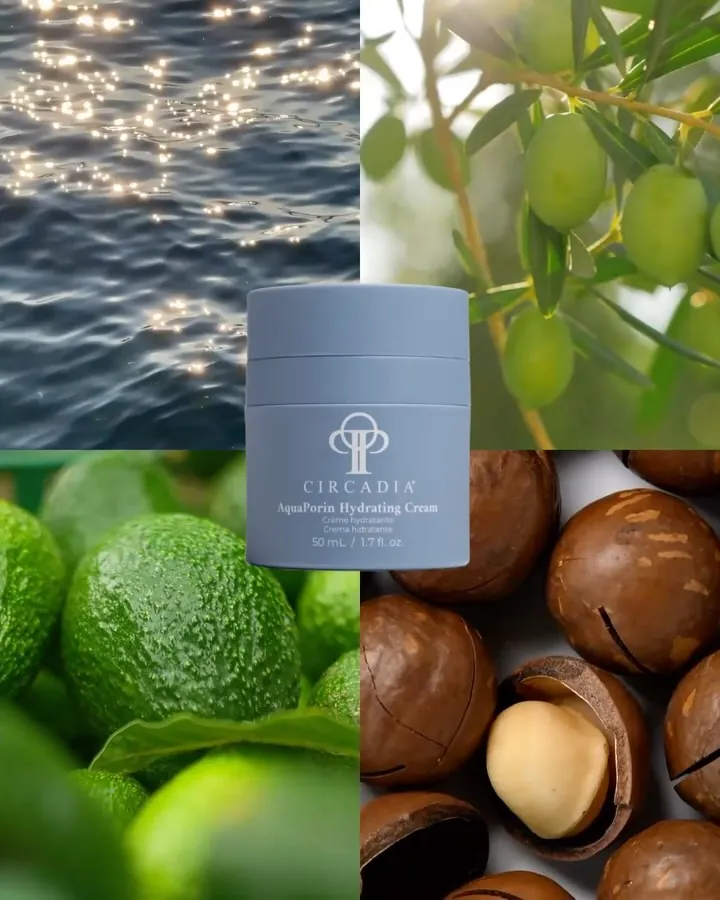
At KRIDO Wellness in downtown St. Petersburg, we offer microneedling as part of our Circadia facial menu. The treatment is designed to improve overall skin quality by stimulating collagen and elastin at the cellular level.
Microneedling at KRIDO is ideal for targeting fine lines, acne scars, enlarged pores, uneven texture, and discoloration. Over a series of treatments, many clients notice smoother, more even-looking skin. Results can build with a series of treatments.
Every microneedling session at KRIDO also includes red light therapy and lymphatic drainage massage. Research suggests red light therapy may support collagen, and lymphatic drainage can temporarily reduce puffiness.
Your visit begins with a skin consultation where we assess your skin, discuss your goals, and confirm whether microneedling is the right fit. Your visit is a consultation plus the treatment.
Microneedling is $300 per session. Most clients need a series of treatments spaced several weeks apart for the best results. Your esthetician will recommend a plan based on your skin.
I had an amazing experience at KRIDO and I can’t wait to go back for more! Their space is beautiful and Amber is is very knowledgeable. This will be my new go to spot for facials!
Jennifer Allen, Google review
Do You Need a Chemical Peel Instead?
KRIDO Wellness does not offer chemical peels. If your main concern is pigmentation, sun damage, or you want a treatment with visible peeling and exfoliation, a chemical peel from a dermatologist or medical spa may be a better fit.
If your goal is to build new collagen, improve scars, and support long-term skin health without the risk of post-peel discoloration, microneedling is a strong option.
Talk to a medical provider or licensed esthetician who can assess your skin type, your concern, and your tolerance for downtime before choosing between the two.
Can You Combine Microneedling and Chemical Peels?
Some providers offer both treatments in sequence, but they should never be done at the same time. Microneedling creates open channels in the skin, and applying a chemical peel immediately after can cause irritation, burns, or uneven results.
If you are considering both, your provider will space them weeks apart and may recommend one treatment course first, followed by the other based on how your skin responds.
Book a Consultation at KRIDO Wellness
If you are ready to improve your skin texture, reduce scars, or support long-term skin health, microneedling at KRIDO Wellness may be the right fit. We serve clients in St. Petersburg, Gulfport, South Pasadena, Pinellas Park, St Pete Beach, and the surrounding Tampa Bay area.
Your consultation includes a skin assessment, a look at your goals, and a clear plan for the treatment that fits your skin. Book your consultation and microneedling session at kridowellness.com/book.
Frequently asked questions
What is the main difference between microneedling and a chemical peel?
Microneedling uses tiny needles to stimulate collagen production from within. Chemical peels use acids to remove the outer layers of damaged skin. Microneedling builds new collagen over time. Chemical peels exfoliate and reveal fresher skin underneath. Both improve texture, but they work in different ways.
Which is better for acne scars, microneedling or a chemical peel?
Microneedling is often recommended for atrophic acne scars (rolling, boxcar, and some ice pick scars) because it stimulates collagen in the deeper layers where scars form. Chemical peels can help with surface texture and pigmentation from old acne, but they do not rebuild the skin structure the way microneedling does.
Is microneedling safe for all skin tones?
Microneedling is generally considered safe for most skin tones and carries a lower risk of post-inflammatory hyperpigmentation than many chemical peels. Chemical peels, especially medium and deep peels, can cause discoloration on darker skin if not carefully selected and applied by a qualified provider.
How many sessions of microneedling do you need?
Most people need several microneedling sessions spaced weeks apart. Results build gradually as new collagen forms, and improvement continues for several months after the final session. Your provider will recommend a plan based on your skin concern and how your skin responds.
Can you do microneedling and a chemical peel together?
No, they should never be done at the same time. Microneedling creates open channels in the skin, and applying a chemical peel immediately after can cause irritation or burns. If you want both, your provider will space them weeks apart and may recommend completing one treatment course before starting the other.
Does KRIDO Wellness offer chemical peels?
No. KRIDO Wellness offers microneedling as part of our Circadia facial menu. If you are looking for a chemical peel, talk to a dermatologist or medical spa. If you want to stimulate collagen and improve scars or texture without the risk of post-peel discoloration, microneedling at KRIDO may be the right fit.
- microneedling
- chemical peel
- acne scars
- skin texture
- facials
- St. Petersburg